Embarking on Spanish study begins with setting clear goals, choosing reliable resources, and practicing daily. A balanced mix of vocabulary, grammar, and cultural exposure builds confidence. Consistency, curiosity, and community engagement accelerate mastery. Daily practice, active listening.!!

Benefits of Mastering Spanish
Mastering Spanish opens doors to global communication, enhances career prospects, and enriches personal growth. Proficiency in the language allows professionals to engage with a vast market, as Spanish is spoken by over 580 million native speakers worldwide. Employers increasingly value bilingual talent, offering higher salaries and broader job opportunities. In academia, Spanish fluency grants access to primary research, literature, and collaborative projects across Latin America and Spain. Travelers benefit from deeper cultural immersion, authentic interactions, and the ability to navigate everyday situations without relying on translation tools. Cognitive advantages include improved memory, multitasking, and problem‑solving skills, as bilingual brains demonstrate greater executive function. Socially, speaking Spanish fosters connections with diverse communities, promotes empathy, and expands social networks. Additionally, learning Spanish supports mental health by providing a sense of achievement and cultural pride. The language’s rich literary tradition, from Cervantes to contemporary authors, offers endless avenues for intellectual exploration. Ultimately, mastering Spanish empowers individuals to participate fully in a globalized world, bridging gaps and creating meaningful relationships across continents. Moreover, Spanish fluency enhances digital literacy, as many online resources, forums, and tutorials are available in Spanish, enabling learners to access a wealth of knowledge directly. Finally, mastering Spanish cultivates a lifelong passion for learning, encouraging continuous exploration of new dialects, cultural practices, and global perspectives. Additionally, Spanish proficiency improves understanding of other Romance languages like Italian, French, and Portuguese, easing future learning. This advantage broadens your linguistic toolkit and deepens appreciation for European cultural interconnectedness. Moreover, Spanish fluency boosts negotiations and enhances collaboration.!!

Common Learning Platforms: Duolingo
Duolingo offers bite‑size lessons, gamified progress. Users enjoy daily streaks, but the platform’s short, repetitive sessions often fail to build conversational fluency. Many learners report frustration with its “friends” quests and limited depth!!!
Limitations of Short Lessons
Short lessons, typically five minutes long, are designed for quick engagement but fall short in fostering deep linguistic competence. They prioritize isolated vocabulary drills and repetitive grammar patterns, neglecting contextual usage and authentic conversation practice. Learners often find themselves memorizing isolated words without understanding how they fit into everyday speech. This approach can lead to a superficial grasp of the language, where recognition of words does not translate into the ability to construct meaningful sentences or engage in spontaneous dialogue. Additionally, the gamified structure of many short‑lesson platforms rewards completion over comprehension, encouraging users to focus on points and streaks rather than on truly mastering the material. The lack of extended exposure to varied contexts means learners miss out on the nuances of idiomatic expressions, regional variations, and cultural references that are essential for real‑world communication. Without deliberate practice in speaking, listening, and writing, the skill set remains fragmented, limiting confidence and fluency. In short, while brief lessons can serve as a convenient introduction, they are insufficient for building the comprehensive language proficiency required for everyday interactions in a Spanish‑speaking environment. Moreover, the lack of structured feedback means learners receive corrections on pronunciation or grammar, which can cement errors. These gaps highlight the needto immersive practice.

Role of a Professional Tutor
Personal guidance tailors lessons, corrects errors, and builds confidence. A tutor bridges gaps left by apps, offering real‑time conversation, contextual practice, and cultural insight, accelerating fluency beyond isolated drills. Practice daily, ask now.!!
Personalized Curriculum
Tailoring lessons to individual goals, strengths, and interests is the cornerstone of Spanish learning. A professional tutor designs a curriculum that aligns with the learner’s life, whether it’s navigating markets, ordering food, or engaging in casual conversations. The process begins with a diagnostic assessment to identify gaps in vocabulary, grammar, and pronunciation. From there, the tutor creates a roadmap that blends grammar drills, contextual vocabulary building, and listening exercises. Each session builds on the previous one, ensuring that new concepts are reinforced through usage. For example, a beginner might start with essential greetings and basic verb conjugations, then progress to describing daily routines, and eventually to discussing travel plans or local customs. The curriculum is flexible, allowing for adjustments based on progress and feedback. Regular checkpoints and reflective discussions help keep the learner motivated and on track. By focusing on real-world scenarios, the curriculum not only improves language proficiency but also boosts confidence in interactions. Continuous assessment and adaptive pacing keep the learning curve steady, preventing overwhelm while maintaining momentum. This personalized approach transforms isolated study into a dynamic, engaging journey toward fluency; With consistent practice, the tutor’s guidance ensures that each new skill is solidified, turning tentative attempts into fluent, confident speech! Speak often, learn.
Progress after Four Months
After four months of intensive, tutor‑guided study, the learner reports a noticeable shift from isolated vocabulary drills to genuine, everyday dialogue..The journey began with a frustrating realization: a 365‑day streak on Duolingo did not translate into conversational confidence..The green bird’s bite‑size lessons, while engaging, left gaps in grammar and pragmatic usage..By pivoting to a structured curriculum, the student now navigates market stalls, orders meals, and exchanges small talk with locals without hesitation..Key milestones include mastering present‑tense conjugations, understanding gender agreement, and employing common idiomatic expressions..Listening practice has moved from passive exposure to active comprehension, allowing the learner to follow regional accents and colloquialisms..The tutor’s feedback loop—weekly progress targeted drills, real‑time correction—has accelerated skill acquisition.The learner now feels empowered to ask for directions, negotiate prices, and discuss hobbies, turning language learning from a theoretical exercise into a lived experience.While fluency remains a long‑term goal, the four‑month mark demonstrates that deliberate, personalized instruction can bridge the gap between textbook knowledge and practical communication.The progress is measurable, motivating, and a testament to the power of focused, contextual learning.Continued practice immersion will further cement these gains, paving toward conversational fluency inSpanish.
Essential Pronunciation Skills
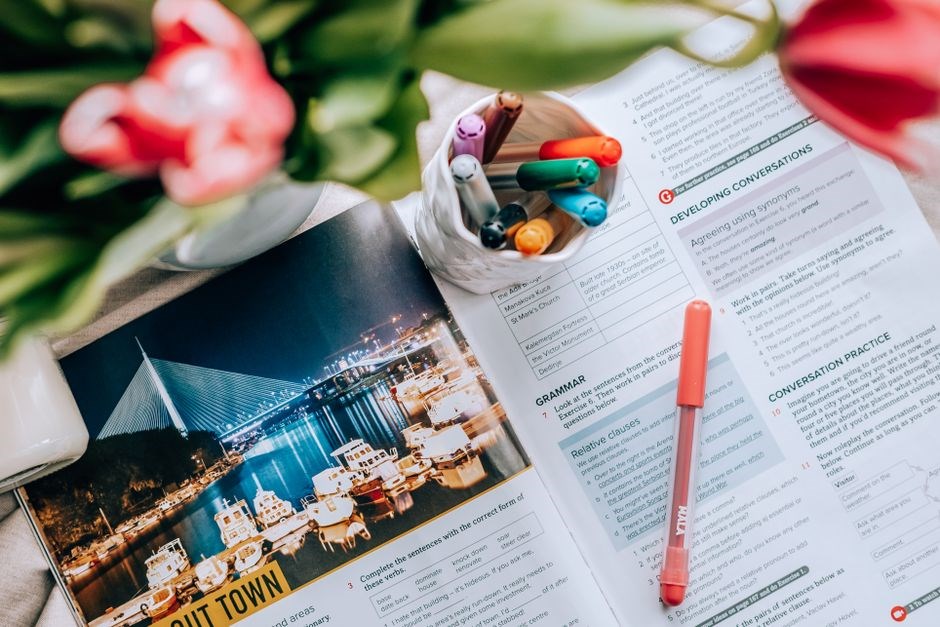
Mastering Spanish pronunciation hinges on vowel sounds and distinctions. Spanish vowels— a, e, i, o, u—are pure and consistent; they never shift as in English. Listening to native speakers and repeating short phrases internalizes vowel quality. The c before e or i become th in Castilian or s in Latin America, while g before e or i is a h sound. The ll and y can be pronounced as y or j depending on dialect, so practicing both variants is essential. Stress placement is predictable: if a word ends in a vowel, n, or s, the stress falls on the second‑to‑last syllable; otherwise it falls on the last. Stress can change meaning, so drilling with a metronome or rhythm app reinforces correct accentuation. The ñ is a nasal, similar to the “ny” in “canyon”; mastering this sound prevents confusion with n. Finally, linking and elision—dropping the final s or r before a vowel—creates flow; practicing with tongue twisters and conversational scripts builds fluency. Consistent, focused listening and repetition, coupled with feedback from a tutor, transforms pronunciation from a hurdle into confidence.

Foundational Spanish Grammar
Spanish grammar foundations focus on subject‑verb agreement, gender, and tense consistency. Understanding noun‑adjective order, regular and irregular verb patterns, and the use of prepositions builds a solid base. Regular practice with drills and contextual sentences solidifies concepts. Learn
Verb Conjugations
Spanish verbs are categorized by endings: -ar, -er, and -ir. Regular verbs follow predictable patterns in the present, preterite, imperfect, future, and conditional tenses. For example, “hablar” (to speak) becomes “hablo, hablas, habla, hablamos, habláis, hablan.” “Comer” (to eat) yields “como, comes, come, comemos, coméis, comen.” “Vivir” (to live) produces “vivo, vives, vive, vivimos, vivís, viven.” Irregular verbs such as “ser,” “ir,” “tener,” and “estar” require memorization of unique stems and endings. The subjunctive mood, used for doubt or desire, has its own conjugation set: “hable, hables, hable, hablemos, habléis, hablen.” Compound tenses combine the auxiliary “haber” with past participles: “he hablado, has comido, ha vivido.” Mastery comes from repeated practice, contextual usage, and exposure to native speech patterns. By systematically learning each conjugation group, learners build a strong foundation for fluent communication. Additionally, practicing with conjugation drills flashcards, and sentence building exercises reinforces muscle memory. Listening to podcasts and watching films with subtitles helps internalize rhythm and intonation. Engaging in language exchange sessions allows correction building. Over time, the patterns become second nature, enabling spontaneous expression today.
Noun-Adjective Agreement
In Spanish, adjectives must match the noun they describe in gender and number. Masculine nouns ending in -o take adjectives ending in -o; feminine nouns ending in -a take adjectives ending in -a. For plural, add -s or -es: “niño alto” → “niños altos”; “niña alta” → “niñas altas.” Adjectives that already end in -o or -a remain unchanged in plural: “grande” stays “grandes.” When adjectives precede the noun, they often change meaning: “gran” (great) vs. “grande” (big). Placement can affect emphasis. Irregular adjectives like “bueno” become “mejor” in comparative, “peor” in superlative. Adjectives of nationality or origin also agree: “español” (masc.), “española” (fem.). Adjectives that describe color follow the noun: “el coche rojo.” Some adjectives are invariant: “interesante” stays “interesante” in all forms. Mastery requires practice with noun-adjective pairs, paying attention to gender cues and plural rules. Listening to native speakers and repeating phrases helps internalize agreement patterns. Using flashcards that pair nouns with appropriate adjectives reinforces memory. Over time, the automatic matching of gender and number becomes intuitive, allowing natural sentence construction without hesitation. Mastery also demands exposure to varied contexts: news articles, dialogues, and storytelling. By noting adjective placement and gender shifts, learners internalize patterns. Regular review sessions, peer discussion, and writing exercises cement agreement, ensuring fluid, accurate speech. Keep practicing. Now
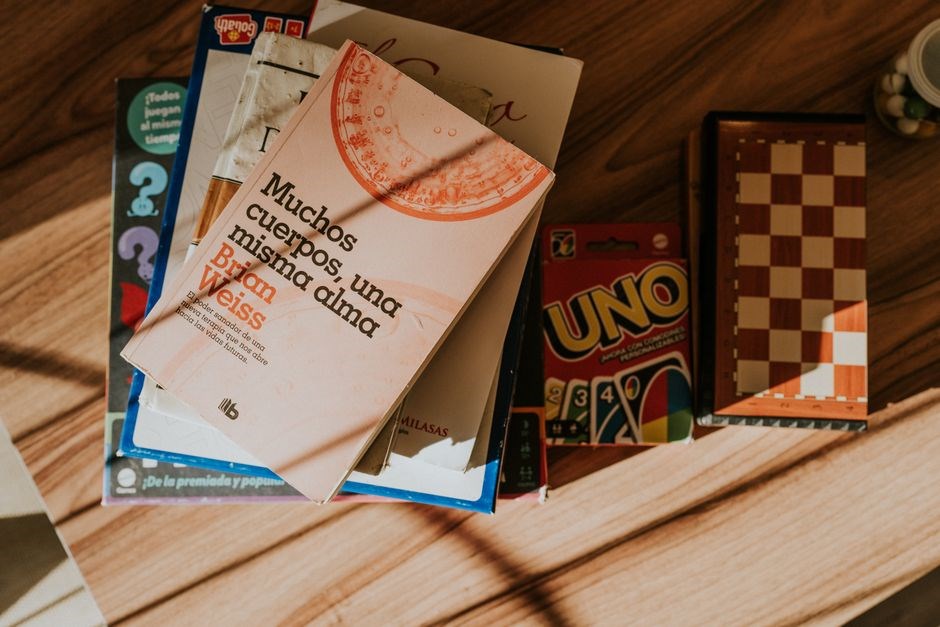
Vocabulary Acquisition Strategies
Use spaced repetition, contextual learning, and daily exposure. Flashcards, apps, and native media reinforce retention. Practice with native speakers, write sentences, and review regularly to solidify new words. Focus on relevance and repetition. Practice.!
Contextual Learning
Contextual learning anchors new vocabulary and grammatical structures in real‑life scenarios, making retention more durable. By immersing words in stories, dialogues, and authentic media, learners notice how language functions beyond isolated drills. For instance, watching a Spanish cooking show not only teaches culinary terms but also exposes idiomatic expressions, question forms, and cultural nuances. Repeated exposure to the same words in varied contexts reinforces neural pathways, allowing spontaneous recall during conversations. A practical strategy involves selecting a theme—such as travel, food, or business—and compiling a list of related terms. Then, create short narratives or role‑plays that weave these terms naturally. Pairing audio with visual cues, like subtitles or images, further solidifies meaning. Additionally, integrating spaced repetition software that schedules reviews based on usage frequency ensures that words are revisited just before they fade from memory. Contextual learning also encourages learners to think in Spanish, reducing reliance on translation. By consistently encountering words in meaningful contexts, the brain starts to predict usage patterns, leading to faster fluency. Moreover, leveraging multimedia resources—such as podcasts, news articles, and interactive quizzes—enriches contextual exposure, allowing learners to adapt to varied accents and registers. Practice daily, and let context guide your learning journey. Daily.
Spaced Repetition Systems
Spaced repetition systems (SRS) harness the forgetting curve to optimize review intervals, ensuring that new vocabulary is revisited just before it is likely to be forgotten. Modern SRS tools—Anki, Memrise, Quizlet—apply algorithmic scheduling, adjusting the next review date based on user performance. By integrating flashcards with contextual sentences, learners reinforce meaning while benefiting from the timing advantage. Research shows that spaced exposure significantly improves long‑term retention compared to massed practice. To implement SRS effectively, start with high‑frequency words and gradually introduce less common terms. Pair each card with an audio clip and an image to engage multiple senses. Regularly audit your deck for obsolete or redundant items, keeping the load manageable. Consistency is key: a brief daily session of 10–15 minutes yields better results than sporadic marathon sessions. Additionally, SRS can be blended with active recall exercises, such as writing or speaking prompts, to deepen understanding. Finally, track progress metrics—accuracy, time per review, and deck size—to adjust difficulty and maintain motivation. With disciplined use, spaced repetition transforms passive memorization into active, lasting fluency. To maximize retention, learners should review cards while engaging in activities—such as cooking, shopping, or watching TV—so that each repetition ties the word to contexts, reinforcing meaning, tone, culturaldailyand nuance!

Cultural Immersion Techniques
Immerse yourself by listening to Spanish podcasts, watching local TV shows, and practicing everyday conversations with native speakers. Join cultural events, try authentic cuisine, and read news articles to grasp idioms and context. Consistent exposure deepens fluency. Daily practice improves.
Living in Spanish-Speaking Communities
Living in Spanish-speaking communities offers unparalleled immersion, allowing learners to practice language skills in authentic contexts. Daily interactions—ordering food, asking for directions, or chatting with neighbors—provide real-time feedback and reinforce vocabulary. Engaging with local customs, festivals, and community events deepens cultural understanding, while volunteering or part‑time work fosters practical usage. Immersion also exposes learners to regional accents, idiomatic expressions, and colloquialisms that textbooks often omit. By building friendships with native speakers, learners gain confidence and motivation, and the natural conversational rhythm helps internalize grammar patterns. Additionally, living in a Spanish-speaking environment encourages the use of the language for everyday tasks, from grocery shopping to navigating public transportation, ensuring consistent practice. The combination of social interaction, cultural participation, and practical necessity creates a holistic learning experience that accelerates proficiency and fosters a genuine connection to the language and its people. Immersive living also cultivates an intuitive sense of rhythm and intonation, enabling learners to pick up subtle nuances in tone and emphasis that are critical for effective communication. Moreover, being surrounded by native speakers encourages spontaneous language use, turning everyday conversations into valuable practi