
The Boy in the Striped Pajamas PDF: A Comprehensive Guide
Exploring the digital availability of “The Boy in the Striped Pajamas,” this guide details PDF access. It covers download options, legal sources, and file compatibility,
considering formats like EPUB, TXT, and DOC, alongside the 2008 film adaptation.
Understanding the Novel’s Popularity
John Boyne’s The Boy in the Striped Pajamas has achieved widespread recognition, resonating deeply with readers across diverse age groups. Its enduring appeal stems from its unique narrative perspective – told through the innocent eyes of a nine-year-old boy, Bruno, oblivious to the horrors of the Holocaust. This childlike viewpoint offers a profoundly moving and unsettling portrayal of a dark period in history.

The novel’s accessibility contributes significantly to its popularity. While dealing with complex themes, Boyne employs simple language, making it approachable for young adult readers. This accessibility doesn’t diminish the emotional impact; rather, it amplifies it, as readers experience the unfolding tragedy alongside Bruno. The story’s focus on friendship, despite the insurmountable barriers imposed by prejudice and war, is a universally relatable theme.
Furthermore, the 2008 film adaptation broadened the novel’s reach, introducing the story to a wider audience. The availability of the book in various formats, including PDF, has also played a role in its continued circulation and accessibility, particularly for educational purposes and convenient reading;
Availability of the PDF Format
The PDF version of The Boy in the Striped Pajamas is widely available online, driven by the novel’s popularity and educational use. Its digital format offers convenience for students, researchers, and readers preferring electronic books. Numerous websites host the PDF, ranging from online bookstores offering legitimate digital copies to platforms providing free downloads.
However, the abundance of free PDF downloads presents a significant caveat: copyright concerns. Many freely available copies are unauthorized, potentially violating copyright laws. Legitimate sources typically require purchase or library access. The file size of the PDF generally ranges from 14MB to 5MB, depending on formatting and included images, ensuring compatibility with most devices.
Alternative formats like EPUB, TXT, and DOC are also accessible, but the PDF remains a favored choice due to its consistent formatting across different platforms. The ease of sharing and printing PDFs further contributes to their prevalence, despite the legal implications of unauthorized distribution. Careful consideration of source legitimacy is crucial when obtaining a PDF copy.
Where to Find Legal PDF Copies
Securing a legal PDF copy of The Boy in the Striped Pajamas ensures support for the author and respects copyright laws. Several reputable online bookstores, such as Amazon Kindle Store, Barnes & Noble, and Kobo, offer the novel in PDF format for purchase. These platforms guarantee authentic, high-quality digital versions.
Many public and university libraries also provide access to the PDF through their digital lending services. OverDrive and Libby are popular platforms used by libraries to distribute eBooks, including this title. Checking your local library’s website is a great starting point. Some educational institutions may offer the PDF directly to students as part of their curriculum.
Furthermore, official publisher websites, like Penguin Random House, occasionally offer digital copies for sale. While potentially more expensive than unauthorized sources, purchasing from these channels guarantees a legitimate and legally sound reading experience. Always verify the seller’s credentials before making a purchase to avoid counterfeit or illegally distributed PDFs.
Free Download Options and Risks

While numerous websites advertise free PDF downloads of The Boy in the Striped Pajamas, exercising extreme caution is crucial. These sources often operate outside legal boundaries, violating copyright laws and potentially exposing users to significant risks.
Downloading from unofficial sites can introduce malware, viruses, and spyware onto your device, compromising your personal information and data security. These websites frequently bundle downloads with unwanted software or redirect users to phishing scams. The quality of the PDF itself is often poor, containing errors, missing pages, or distorted formatting.
Furthermore, accessing copyrighted material without authorization is illegal and unethical, undermining the author’s rights and the publishing industry. Supporting legitimate channels ensures authors are compensated for their work and can continue creating valuable content. Consider utilizing free library resources or exploring affordable eBook options instead of resorting to risky, illegal downloads. Prioritize your digital safety and respect intellectual property rights.
The Novel’s Historical Context: World War II
John Boyne’s The Boy in the Striped Pajamas is deeply rooted in the harrowing realities of World War II, specifically the atrocities committed during the Holocaust. The story unfolds against the backdrop of Nazi Germany’s systematic persecution and murder of approximately six million Jews, alongside other minority groups deemed undesirable by the regime.
The novel, while fictional, draws heavily from the historical context of concentration and extermination camps established across Europe. These camps, like Auschwitz-Birkenau – implicitly referenced in the book – were sites of unimaginable suffering, forced labor, and mass genocide. The narrative subtly reflects the pervasive atmosphere of fear, propaganda, and dehumanization that characterized wartime Germany.
Understanding this historical context is vital for interpreting the novel’s themes and appreciating its emotional impact. Boyne deliberately avoids explicit depictions of violence, instead focusing on the story through the innocent eyes of a child, highlighting the moral complexities and the devastating consequences of hatred and prejudice during this dark period in history.
The Holocaust as a Central Theme
The Holocaust serves as the chilling core of The Boy in the Striped Pajamas, though presented indirectly through the limited perspective of Bruno, a young German boy. The novel doesn’t offer graphic depictions of the horrors within the concentration camp, but rather explores the human cost of this genocide through its impact on innocence and friendship.
The “striped pajamas” themselves become a potent symbol of the dehumanization inflicted upon the Jewish prisoners. They represent the loss of identity and individuality, reducing individuals to mere numbers within a system of systematic oppression. The stark contrast between Bruno’s privileged life and Shmuel’s suffering underscores the profound injustice at the heart of the Holocaust.
Boyne’s narrative subtly conveys the insidious nature of Nazi ideology and its devastating consequences. While the story is fictional, it aims to provoke reflection on the historical realities of the Holocaust and the importance of remembering this tragic event to prevent future atrocities. The novel’s power lies in its ability to humanize the victims and challenge readers to confront uncomfortable truths.
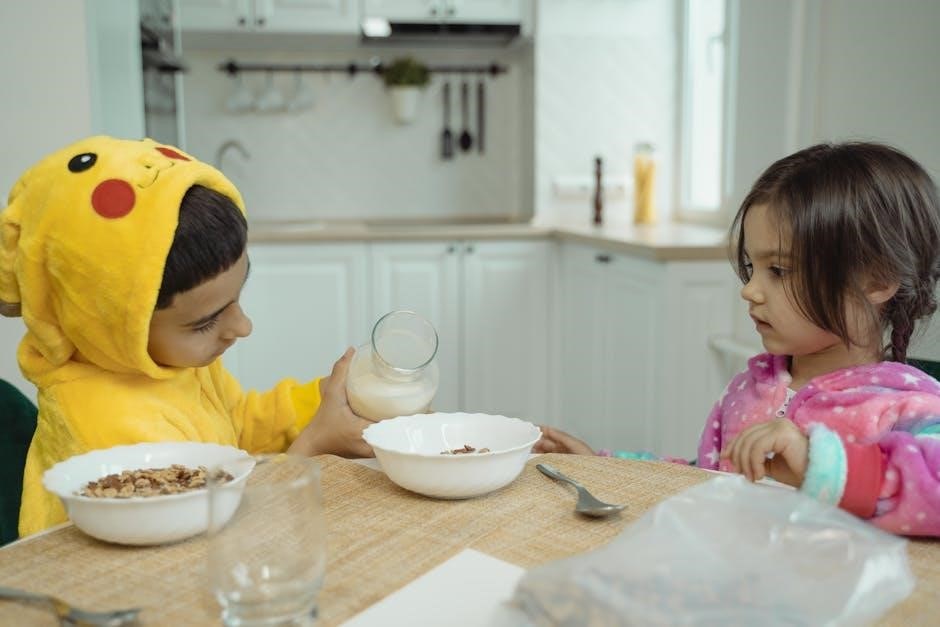
Key Characters: Bruno and Shmuel
Bruno and Shmuel are the emotional heart of The Boy in the Striped Pajamas, representing innocence confronted by unimaginable cruelty. Bruno, a naive nine-year-old German boy, embodies the sheltered perspective of a child growing up within the Nazi regime. His relocation to Auschwitz, termed “Out-With” in his innocent understanding, disrupts his comfortable life and sparks his curiosity.
Shmuel, a Jewish boy of the same age, is imprisoned within the concentration camp. He represents the suffering and dehumanization inflicted upon the victims of the Holocaust. Their unlikely friendship, forged across the barbed wire fence, highlights the universal need for connection and compassion, even in the darkest of circumstances.

The contrast between their lives – Bruno’s privilege and Shmuel’s deprivation – is central to the novel’s impact. Both characters are stripped of their childhoods, albeit in vastly different ways. Their bond serves as a poignant reminder of the shared humanity that transcends ideological boundaries and the tragic loss experienced during this historical period.
Exploring the Themes of Innocence and Friendship
Central to The Boy in the Striped Pajamas are the powerful themes of innocence and friendship, tragically juxtaposed against the backdrop of the Holocaust. Bruno’s childlike naiveté shields him from the full horror of his surroundings, allowing him to form a genuine connection with Shmuel, despite the physical and ideological barriers separating them.
Their friendship represents a beacon of hope and humanity in a world consumed by hatred. It demonstrates the innate human capacity for empathy and connection, even amidst extreme adversity. The novel explores how innocence can be both a blessing and a curse, as Bruno’s lack of understanding ultimately contributes to the tragic outcome.
The story challenges readers to consider the perspective of children caught in conflict and the devastating consequences of prejudice. The enduring power of their bond underscores the importance of compassion and the enduring human need for companionship, even when faced with unimaginable circumstances. It’s a heartbreaking exploration of lost innocence.
The Symbolism of the Striped Pajamas
The striped pajamas themselves are a profoundly potent symbol within John Boyne’s novel. Initially, to Bruno, they simply represent a curious and somewhat drab uniform worn by the boys he encounters at “Out-With.” However, they quickly evolve into a chilling representation of dehumanization and the systematic stripping away of identity imposed upon the prisoners of the concentration camp.
The uniformity of the pajamas underscores the loss of individuality experienced by those incarcerated. They visually signify the prisoners’ reduced status – no longer seen as individuals with names, families, or histories, but merely as a collective, identifiable by their clothing. This visual cue is crucial to understanding the novel’s core message about the dangers of prejudice and the horrors of the Holocaust.
Furthermore, the pajamas symbolize Bruno’s eventual fate, as he dons one himself, blurring the lines between observer and victim. This act highlights the indiscriminate nature of the tragedy and the devastating consequences of unchecked hatred. The image is haunting and unforgettable.
Analyzing the Narrative Perspective
John Boyne’s choice of a third-person limited narrative, filtered entirely through the eyes of nine-year-old Bruno, is central to the novel’s impact. This perspective deliberately restricts the reader’s understanding to Bruno’s innocent and naive worldview, shielding them from a direct, explicit depiction of the atrocities occurring at Auschwitz.
The narrative’s limitations are not a flaw, but a deliberate stylistic choice. It forces the reader to infer the horrors of the camp through Bruno’s fragmented observations and misinterpretations. This indirect approach amplifies the emotional weight of the story, as the reader gradually pieces together the truth alongside Bruno, experiencing a growing sense of unease and dread.
By presenting the story through a child’s lens, Boyne effectively critiques the adult world’s complicity in the Holocaust. Bruno’s inability to grasp the full extent of the evil around him underscores the moral failings of those who actively participated in or passively accepted the Nazi regime. The PDF format allows for close textual analysis of this crucial narrative technique.
The Controversies Surrounding the Novel
Despite its widespread popularity, “The Boy in the Striped Pajamas” has faced significant criticism, particularly regarding its historical accuracy and portrayal of the Holocaust. Critics argue the novel simplifies a complex tragedy, potentially minimizing the suffering of victims and offering a misleading representation of Auschwitz.
A central point of contention is Bruno’s naive perspective, which some find unrealistic and even harmful. The depiction of relatively amicable interactions between Bruno and Shmuel has been accused of trivializing the brutality and dehumanization inherent in the concentration camp system. Concerns have also been raised about the novel’s potential to foster a false sense of understanding without genuine historical engagement.
The accessibility of the novel in PDF format has amplified these debates, allowing for wider dissemination but also potentially contributing to the spread of a simplified or inaccurate understanding of the Holocaust. Discussions surrounding the book often center on its suitability for young readers and the importance of supplementing it with comprehensive historical education.
Adaptations: The 2008 Film
The 2008 film adaptation of “The Boy in the Striped Pajamas,” directed by Mark Herman, brought John Boyne’s story to a wider audience. Starring Asa Butterfield as Bruno and Jack Scanlon as Shmuel, the movie largely follows the novel’s narrative, depicting the unlikely friendship formed near the Auschwitz concentration camp.
The film, available in various formats including digital copies and often found as downloadable files (like the mentioned “The.Boy.In.The.Striped.Pajamas.2008.720p.BluRay.x264-CtrlHD”), received mixed reviews. While praised for its emotional impact and performances, it faced similar criticisms as the book regarding historical accuracy and simplification of the Holocaust.
The visual medium allowed for a more explicit depiction of the camp’s environment, yet some argued this still didn’t fully convey the horrors experienced by those imprisoned there. The film’s ending, mirroring the novel’s tragic conclusion, sparked debate about its effectiveness and potential for misinterpretation. Finding the film in PDF form, alongside related movie files, is common online, though legality varies.
Comparing the Book and the Movie
While both the novel and the 2008 film adaptation of “The Boy in the Striped Pajamas” share the core narrative, significant differences exist. The book relies heavily on Bruno’s naive perspective, maintaining a deliberate distance from explicitly detailing the atrocities of the Holocaust. The film, however, offers more visual representation of the camp, potentially impacting the story’s intended ambiguity.
The PDF versions of study guides and analyses often highlight these distinctions. The novel’s internal monologue provides deeper insight into Bruno’s evolving understanding, a nuance somewhat lost in the film’s adaptation. Conversely, the movie benefits from visual storytelling, conveying the stark contrast between Bruno’s privileged life and Shmuel’s imprisonment more directly.
Both versions grapple with the challenge of portraying such a sensitive historical event through the eyes of a child. Discussions surrounding both the book (available in PDF format) and the film frequently center on whether this approach effectively honors the victims and accurately reflects the realities of World War II. The film, like downloadable movie files, is readily accessible, prompting ongoing comparisons.
Educational Use of the Novel and PDF
“The Boy in the Striped Pajamas”, frequently accessed in PDF format for classroom convenience, serves as a powerful tool for teaching complex historical and ethical themes. Educators utilize the novel to introduce students to the Holocaust, prompting discussions about prejudice, discrimination, and the dangers of unchecked power. The PDF accessibility allows for easy distribution of excerpts and study guides.
The narrative’s unique perspective – a child’s innocent view of a horrific reality – encourages critical thinking about perspective and historical interpretation. Teachers often employ the book to explore themes of empathy, friendship, and the loss of innocence. Analyzing the PDF text alongside historical accounts provides a balanced understanding.
Furthermore, the novel sparks conversations about narrative choices and the responsibility of storytelling. Comparing the book to the film (and readily available online resources) enhances media literacy. Utilizing the PDF format facilitates annotation and close reading exercises, fostering deeper engagement with the text and its challenging subject matter. It’s a springboard for broader historical inquiry.

Discussion Questions for Students
Engaging with “The Boy in the Striped Pajamas,” particularly through accessible PDF versions, prompts vital discussions. Consider: How does Bruno’s limited understanding shape your perception of events? What does the fence symbolize, and how does it impact the characters’ relationships?
Explore the theme of innocence: Was Bruno’s naiveté a strength or a weakness? How does the novel portray the concept of “the other”? Discuss the role of authority figures – Bruno’s father, the soldiers – and their impact on the unfolding tragedy. Analyze the ending: Was it effective, and what message does it convey?

Further questions include: How reliable is Bruno as a narrator? What ethical considerations arise when reading a story about the Holocaust from a child’s perspective? How does the novel compare to other historical accounts or representations of the Holocaust? Finally, discuss the power of friendship in the face of adversity, as exemplified by Bruno and Shmuel’s bond. These questions, facilitated by PDF access, encourage critical analysis.
The Author: John Boyne
John Boyne, born in 1971, is an Irish author renowned for his impactful novels, notably “The Boy in the Striped Pajamas.” While the novel’s PDF availability has broadened its reach, understanding Boyne’s background enriches the reading experience. He studied history and English literature at Trinity College, Dublin, influencing his historically grounded narratives.
Before achieving widespread acclaim with “The Boy in the Striped Pajamas” in 2006, Boyne worked as a creative writing teacher. The novel, initially intended for young adults, unexpectedly resonated with a broader audience, sparking both praise and controversy. Its PDF format facilitated widespread access, contributing to global discussions.
Boyne’s writing often explores themes of identity, belonging, and the complexities of human nature. He’s a prolific author, with numerous other novels, short stories, and children’s books to his credit. His work consistently demonstrates a commitment to compelling storytelling and thought-provoking subject matter, making his books, including the PDF version of this one, widely studied.
Other Works by John Boyne
Beyond “The Boy in the Striped Pajamas,” John Boyne boasts a diverse and critically acclaimed body of work. While the PDF of his most famous novel remains popular, exploring his other writings reveals the breadth of his talent. “The Absolutist” (2009) is a historical novel set during World War I, showcasing his skill in portraying wartime experiences.

“Crippen” (2009) offers a fictionalized account of the infamous Dr. Crippen, demonstrating Boyne’s fascination with historical figures and true crime. He’s also authored several novels focusing on contemporary themes, such as “The Guest List” (2020), a suspenseful mystery. His exploration of complex characters and intricate plots extends across genres.
Boyne has also penned numerous works for younger readers, including the “Noah Barleywater” series. These demonstrate his versatility as a storyteller. Accessing his works, whether through physical copies or PDF formats where available, provides a comprehensive understanding of his literary style and recurring themes. His continued output solidifies his position as a significant contemporary author.
Similar Books and Related Readings
For readers deeply moved by “The Boy in the Striped Pajamas” and seeking similar narratives, several books explore themes of innocence lost during wartime and the Holocaust. “The Diary of a Young Girl” by Anne Frank remains a seminal work, offering a firsthand account of a Jewish girl’s life in hiding. “Number the Stars” by Lois Lowry presents a compelling story of courage and resistance in Denmark during World War II.

“The Book Thief” by Markus Zusak, narrated by Death, provides a unique perspective on life in Nazi Germany. “Persian Lessons” (mentioned in related online discussions) offers an unlikely Holocaust story, adding another layer to understanding the period. Exploring Ernest Hemingway’s “The Sun Also Rises” provides a contrasting, yet relevant, look at the post-war generation.
These books, like “The Boy in the Striped Pajamas” PDF, encourage reflection on historical events and the human cost of conflict. They often grapple with difficult questions about morality, prejudice, and the enduring power of hope. Further research into Holocaust literature and historical accounts will enrich understanding of this complex period.
The Novel’s Impact on Young Adult Literature
“The Boy in the Striped Pajamas” significantly impacted young adult literature by introducing a difficult historical topic – the Holocaust – to a younger audience through a uniquely accessible narrative. Its focus on the perspective of a child, Bruno, shielded readers from explicit violence while still conveying the tragedy’s emotional weight. This approach sparked debate, but also opened doors for further exploration of sensitive historical events in YA fiction.
The novel’s success demonstrated a demand for historical fiction that prioritizes emotional resonance and character-driven stories. It paved the way for other authors to tackle complex themes with nuance, encouraging critical thinking and empathy in young readers. The readily available PDF format further amplified its reach, facilitating classroom discussions and independent study.
While controversies exist regarding its historical accuracy, the book’s influence on prompting conversations about prejudice, friendship, and the consequences of hatred remains undeniable. It broadened the scope of YA literature, proving that young adults are capable of engaging with challenging and important historical narratives.
Copyright and Fair Use Considerations
Downloading and distributing a PDF of “The Boy in the Striped Pajamas” without proper authorization raises significant copyright concerns. John Boyne and his publishers hold exclusive rights to the novel’s reproduction and distribution. Unauthorized PDF copies circulating online often constitute copyright infringement, potentially leading to legal repercussions for those involved in their sharing.
“Fair use” doctrines may permit limited use of copyrighted material for purposes like education, criticism, or research. However, simply downloading a full PDF for personal use generally doesn’t fall under fair use. Educators utilizing the novel should obtain legally licensed copies or explore educational licensing options.
Accessing PDFs from reputable sources – official publisher websites or authorized digital retailers – ensures compliance with copyright law and supports the author’s work. Be wary of “free download” sites, as these frequently host illegally obtained copies and may expose users to malware or viruses. Respecting copyright fosters a sustainable environment for authors and the publishing industry.
PDF File Size and Compatibility
The file size of a “The Boy in the Striped Pajamas” PDF can vary depending on factors like image resolution, formatting, and whether it includes interactive elements. Generally, a standard text-based PDF version of the novel typically ranges between 14MB and 5MB, as suggested by available online resources referencing similar literary works. Scanned PDFs, containing images of each page, will likely be larger.

PDFs are widely compatible across various operating systems (Windows, macOS, Linux) and devices (computers, tablets, smartphones). Most modern web browsers have built-in PDF viewers; However, for advanced features like editing or annotation, dedicated PDF reader software like Adobe Acrobat Reader (free) or alternatives may be required.
Compatibility issues are rare, but older devices or software might struggle with newer PDF versions. Ensuring your PDF reader is up-to-date resolves most problems. Consider file size when downloading, especially on limited data plans or slower internet connections. Smaller file sizes facilitate quicker downloads and easier storage.
Technical Aspects of the PDF Document
PDF (Portable Document Format) files for “The Boy in the Striped Pajamas” are commonly created using software like Adobe InDesign or Microsoft Word, then converted to PDF using tools like Adobe Acrobat or online converters. The resulting document typically embeds fonts to ensure consistent rendering across different systems, preventing font substitution issues.
PDF versions vary; newer versions support interactive features like bookmarks, hyperlinks, and fillable forms, though these are less common in standard novel PDFs. Metadata, including author, title, and creation date, is usually embedded within the file. PDFs can be optimized for web viewing, reducing file size without significant quality loss.
Image resolution within a PDF impacts file size and clarity. Higher resolution images result in larger files but sharper visuals. PDFs can also be password-protected to restrict access, printing, or editing. Examining the PDF’s properties reveals technical details like creator application, PDF version, and security settings. Ensuring a properly formatted PDF guarantees a smooth reading experience.
Alternative Formats: EPUB, TXT, and DOC
Beyond the PDF, “The Boy in the Striped Pajamas” is frequently available in EPUB, TXT, and DOC formats. EPUB (Electronic Publication) is a reflowable format ideal for e-readers, adjusting text size and layout to fit the screen. It often includes features like adjustable fonts and margins, enhancing readability.
TXT (Plain Text) files offer the simplest format, containing only unformatted text. While highly portable and small in size, they lack styling options like bolding or italics. DOC (Microsoft Word Document) files retain formatting, allowing for richer text presentation, but may render differently depending on the Word version used.
Choosing a format depends on your needs. EPUB is best for dedicated e-readers, DOC for editing and preserving formatting, and TXT for basic accessibility. Conversion tools readily transform between these formats, though some formatting may be lost during the process. Availability varies across platforms, with EPUB being dominant on many e-book stores.