A Wizard’s Guide to Defensive Baking: The Novel
This bestselling novel, A Wizard’s Guide to Defensive Baking, is penned by Ursula Vernon, writing as T․ Kingfisher․ It targets middle-grade readers, gaining widespread acclaim․ Its popularity is evident through over 8,280 Goodreads ratings, confirming its status as a beloved fantasy tale․
Author Ursula Vernon (T․ Kingfisher)
Ursula Vernon, a highly acclaimed author, is renowned for her imaginative contributions to literature, particularly under her pen name, T․ Kingfisher․ This dual identity allows her to explore diverse genres and reader demographics․ As Ursula Vernon, she often creates award-winning works for younger audiences, characterized by whimsical illustrations and compelling narratives․ Her decision to write A Wizard’s Guide to Defensive Baking as T․ Kingfisher highlights her versatility and mastery across different storytelling styles․ The use of a pseudonym often grants authors the freedom to experiment with themes or tones that might differ from their established brand, offering a fresh perspective for both the writer and their readership․ Kingfisher’s distinctive voice combines humor, warmth, and a keen sense of adventure, captivating readers of all ages․ This particular novel, a delightful example of her craft, showcases her ability to weave magic into everyday settings, making the extraordinary feel intimately relatable․ Her narrative skill ensures that even fantastical elements are grounded in believable character interactions and engaging plots․ Through T․ Kingfisher, Vernon has cultivated a loyal following who appreciate her unique blend of wit and heartfelt storytelling․ Her commitment to crafting memorable tales is evident in every page, affirming her standing as a significant contemporary author whose works resonate deeply with her audience․
Target Audience: Middle-Grade Readers
A Wizard’s Guide to Defensive Baking is specifically tailored for middle-grade readers, a demographic typically comprising children aged between eight and thirteen years old․ This age group is characterized by a developing sense of independence and a growing interest in narratives that feature relatable protagonists facing unique challenges․ The novel’s engaging premise, combining everyday life with extraordinary magic, perfectly resonates with their imaginative minds․ Middle-grade literature often explores themes of self-reliance, problem-solving, and the discovery of one’s own capabilities, all presented in an accessible and often humorous tone․ For these readers, stories that empower young characters to become unlikely heroes are particularly appealing, fostering a sense of possibility and adventure․ The book’s focus on a fourteen-year-old wizard provides a protagonist close in age, allowing for strong identification and empathy․ This genre frequently balances lighthearted moments with significant, character-driven plots, ensuring that the reading experience is both entertaining and meaningful․ The novel’s success as a middle-grade bestseller highlights its effectiveness in capturing the attention and imagination of this crucial young audience, making it an excellent choice for fostering a love of reading and fantasy․
Bestseller Status and Goodreads Recognition
A Wizard’s Guide to Defensive Baking has achieved significant bestseller status, a testament to its immense popularity among middle-grade readers․ This success highlights the novel’s compelling narrative and unique charm, resonating widely with its target audience․ Its widespread appeal is further evidenced by substantial recognition across various online literary platforms․ Most notably, the book boasts an impressive record of over 8,280 ratings on Goodreads, the preeminent social cataloging website for book enthusiasts worldwide․ This substantial volume of feedback from a diverse readership strongly indicates high levels of reader satisfaction and enthusiastic engagement․ Such extensive positive reviews and ratings confirm the story’s captivating nature, solidifying its reputation as a truly beloved title․ This collective endorsement from thousands of readers reinforces its commercial success and ongoing influence within children’s literature․ Its strong performance on Goodreads unequivocally establishes the book as an impactful and cherished work, a true standout read․

Introducing Mona: The Protagonist
Meet Mona, a fourteen-year-old wizard, the central figure of the story․ She works diligently in her Aunt Tabitha’s bakery, living a quiet life in Riverbraid City․ Mona’s seemingly ordinary existence is about to be dramatically interrupted, requiring her unique skills․

Mona’s Age: A Fourteen-Year-Old Wizard
Mona, the compelling protagonist of T․ Kingfisher’s enchanting novel, is introduced as a fourteen-year-old wizard․ This specific age is crucial to her character development and the unfolding narrative․ At fourteen, Mona stands at the precipice of adolescence, grappling with typical teenage concerns alongside her burgeoning magical abilities․ Her youth implies a certain naiveté, yet also an untapped potential for growth and resilience․ The story leverages her age to explore themes of responsibility unexpectedly thrust upon a young individual․ She is not a seasoned sorceress, but a developing wizard, still learning the full scope of her unique talents․ This age allows readers, particularly the middle-grade target audience, to readily connect with her experiences and perspective․ Her journey is one of self-discovery, where her relatively young age makes her eventual heroism all the more remarkable and relatable․ The narrative skillfully portrays the challenges and triumphs of a young person discovering their strength in extraordinary circumstances, emphasizing that age does not define one’s capacity for courage or ingenuity․ Her fourteen years equip her with a fresh outlook, unburdened by the cynicism of older generations, making her an ideal, unassuming hero for the crisis she faces․
Mona’s Role in Aunt Tabitha’s Bakery
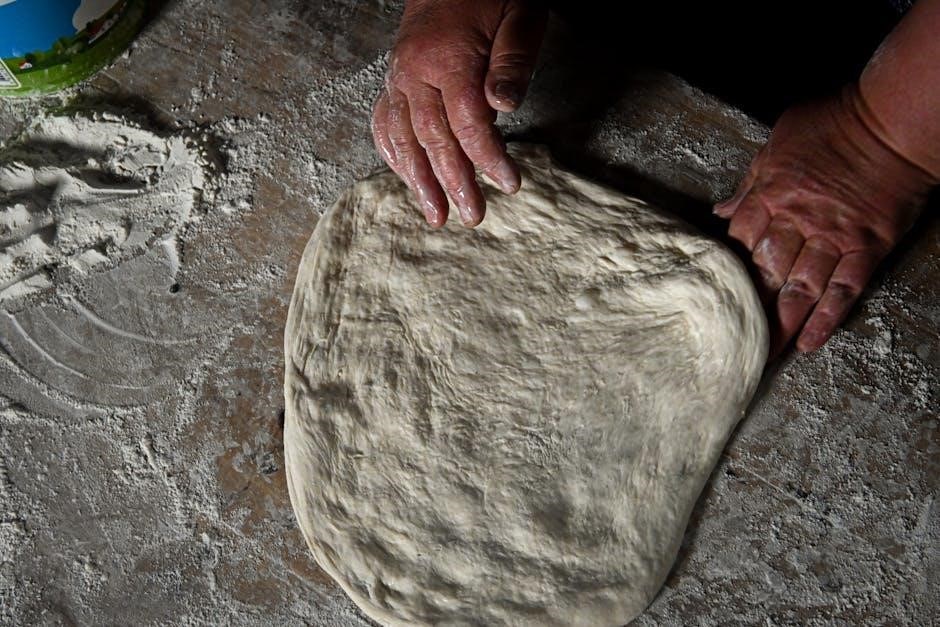
Mona, the fourteen-year-old wizard protagonist, holds a crucial and cherished position within her Aunt Tabitha’s bustling bakery․ Her days are filled with the comforting aromas of freshly baked bread and sweet pastries, forming the rhythm of her life in Riverbraid City․ As an integral part of the establishment, Mona’s duties extend beyond mere assistance; she is deeply involved in the creation of the bakery’s beloved offerings․ Her role includes everything from meticulously kneading dough to decorating elaborate cakes and serving eager customers․ This hands-on engagement with culinary arts allows her to directly experience the profound satisfaction of baking, particularly the joy of witnessing someone bite into a warm blueberry muffin or a fresh slice of sourdough dripping with butter․ Her magical inclinations, while largely understated in her daily tasks, subtly infuse her work, perhaps ensuring a perfect rise for sourdough or an ideal crispness for a pastry crust․ This immersion in the practical, joyful art of baking provides her with a unique perspective and a deep understanding of food’s power․ It’s this seemingly ordinary life, dedicated to crafting delicious goods, that ironically lays the groundwork for her extraordinary destiny, demonstrating how her everyday culinary skills are unknowingly honed for future, magical defensive purposes․
Mona’s Life in Riverbraid City
Welcome to Riverbraid City, the tranquil and unsuspecting urban setting that forms the peaceful backdrop for Mona’s everyday life․ Here, our fourteen-year-old wizard protagonist leads a seemingly ordinary existence, deeply embedded within the comforting routines of her Aunt Tabitha’s popular and bustling bakery․ Mona’s days are typically filled with the warm aromas of freshly baked goods and the gentle hum of daily commerce, rather than any grand, attention-grabbing magical exploits․ The city itself, with its charming cobblestone streets and consistently friendly local patrons, embodies a profoundly peaceful demeanor, remaining far removed from any hint of impending danger or the dramatic conflicts often found in tales of magic․ Her inherent magical abilities are largely understated, integrated seamlessly into her practical, everyday tasks, reflecting the unassuming nature of both Mona and her surroundings․ This strong sense of normalcy and quiet contentment is crucial, fostering a grounded personality and developing resilience within her․ It serves as a vital narrative contrast, highlighting the profound impact when this serene existence is inevitably disrupted by unforeseen external threats, forcing Mona to confront challenges far beyond her culinary scope, transforming her peaceful, familiar world․

The Core Concept: Defensive Baking
“Defensive Baking” introduces a truly imaginative and pivotal concept within this middle-grade bestseller․ It represents an innovative blend of unexpected disciplines, forming the unique magical foundation of the entire narrative․ This distinct premise promises a compelling and unconventional fantasy adventure for readers․
Magic Applied to Culinary Arts
This novel introduces a unique application of magic within culinary arts, specifically baking․ It explores how everyday ingredients like flour, yeast, and sugar are transformed into conduits for subtle yet potent enchantments․ The story illustrates a world where baking transcends sustenance, becoming a profound method for infusing items with arcane energy․ Imagine the pleasure of biting into a fresh blueberry muffin or warm sourdough; those sensory delights are imbued with extraordinary magical properties․
The narrative details an inventive system of weaving spells and charms directly into doughs, batters, and glazes․ This fusion elevates mundane baking tasks into powerful magical rituals, demanding precision and distinct talent․ Every component, from a crisp crust to a sweet filling, serves as a deliberate vessel for magical intent․ This innovative application redefines magic’s boundaries, grounding its extraordinary potential within the comforting, familiar domain of the bakery, offering a truly novel blend of fantasy and domesticity․

Baking for Protection and Security
In “A Wizard’s Guide to Defensive Baking,” the core concept revolves around utilizing culinary skills, specifically baking, not just for sustenance but for robust protection and security․ This innovative approach sees everyday baked goods transformed into potent magical defenses․ Far from being mere treats, items like loaves of bread, muffins, and pastries are imbued with protective enchantments, creating a unique shield against various threats․ The narrative cleverly subverts expectations, presenting a world where the aroma of fresh sourdough isn’t just inviting, but also a sign of a safeguarded locale․
Unlike traditional defensive structures or the reliance on guards, which sometimes fail, as hinted by the Duchess’s situation where guards might have warned her, defensive baking offers an unconventional yet highly effective alternative․ It suggests that even the most unassuming creations from a bakery can possess formidable power when wielded by a skilled practitioner․ This form of security moves beyond mere physical barriers, tapping into a more subtle and pervasive magic that can ward off danger․ The book explores how this seemingly gentle art becomes a vital asset, providing peace of mind and tangible safety in a world facing unexpected crises, highlighting the protagonist’s crucial role in maintaining security through her unique talents․

The Interruption of a Peaceful Existence
Mona’s life in Riverbraid City, working alongside Aunt Tabitha in the bakery, was characterized by a comforting rhythm and the simple joys of her craft․ The everyday magic of baking, creating fluffy delights and fresh sourdough dripping with butter, filled her days with purpose and a quiet satisfaction․ This existence, centered around the warmth of the oven and the delighted expressions of customers, was deeply peaceful․ There was a sense of security in the familiar routines, a quiet charm to her magical abilities being applied to culinary arts rather than grand, overt displays of power․ Riverbraid City itself seemed to embody this tranquility, a place where a young wizard could grow and hone her skills without immediate threat․
However, this idyllic state was destined to be short-lived․ A sudden and unforeseen crisis began to unfold, casting a shadow over the city’s usual calm․ This disruption was significant enough to shake the foundations of their quiet lives, demanding attention and action․ The previously serene atmosphere of Mona’s world was irrevocably altered, pulling her from the peaceful confines of the bakery into circumstances far more perilous than mixing dough․ The shift from mundane, magical baking to an urgent, defensive application of her unique talents marked the end of her previously undisturbed existence, signaling a call to action that she could not ignore․

Key Narrative Elements and Characters
A Duchess crisis and guards’ failure drive the plot․ The mysterious Council’s involvement demands Mona’s unique defensive baking skills․ The appeal of freshly baked goods becomes a surprisingly crucial element․
The Crisis Involving the Duchess
The narrative ignites with a significant crisis directly impacting the Duchess, shaking the foundations of Riverbraid City’s perceived security․ This pivotal event underscores a critical lapse in traditional protective measures and governance․ The Duchess, finding herself in dire straits, ideally should have demonstrated the fortitude to seek immediate assistance from the city’s established guards․ However, for reasons yet to be fully uncovered, this direct appeal either did not occur, or it proved woefully ineffective․ Compounding this initial failure, the guards themselves, who are typically responsible for the safety and warning of key figures, seemingly neglected their duties․ They failed to provide the necessary foresight or intervention to avert the escalating danger․ This double-pronged failure, involving both the Duchess’s inability to act conventionally and the guards’ dereliction of their protective responsibilities, sets a grim stage․ It highlights a systemic vulnerability within the city’s defense infrastructure, far beyond any individual’s shortcomings․ The crisis, therefore, spirals into an urgent matter that necessitates a different kind of intervention, one that traditional means cannot provide․ This unforeseen predicament ultimately paves the way for the extraordinary and unexpected involvement of a young baker with unique talents․ The city’s reliance on outdated or ineffective defensive strategies becomes glaringly apparent, pushing the community towards unconventional solutions․ The threat to the Duchess is not merely personal; it is a symptom of a larger, underlying decay in the city’s ability to protect its most prominent citizens․

The Failure of the Guards
The city’s security apparatus, primarily composed of its guards, demonstrated a profound and alarming failure during the unfolding crisis․ Their fundamental duty was to safeguard prominent figures like the Duchess and to maintain vigilance against any impending threats․ However, the information suggests a stark dereliction of these critical responsibilities․ The guards were explicitly expected to have issued timely warnings to the Duchess, providing her with the necessary intelligence to anticipate and potentially evade the danger․ Yet, this crucial step was demonstrably missed․ This oversight indicates not merely a momentary lapse but possibly a deeper systemic issue within their ranks – perhaps a lack of preparedness, insufficient intelligence gathering, or even a breakdown in communication protocols․ Their inability to act proactively and decisively left a significant protective void, directly contributing to the Duchess’s perilous situation․ This failure undermines public trust in the established order and exposes the city’s vulnerability to external and internal threats․ The traditional methods of defense, reliant on the diligence and competence of these guards, proved entirely inadequate․ Consequently, their inaction necessitated the search for alternative, unconventional solutions to a problem that should have been managed by conventional means․ The repercussions of their collective failure ripple through the community, highlighting the urgent need for a new guardian․
The Mysterious Council’s Involvement

The crisis drew the attention of a shadowy and largely unknown entity known only as “The Council․” Their very existence was veiled in secrecy, and their specific roles or membership remained obscure to most citizens, even those in positions of authority․ Referred to vaguely as “whoever they were,” their emergence onto the scene signified a deeper, more systemic problem than initially perceived․ Their involvement wasn’t immediate or transparent, suggesting they operate outside conventional governmental structures, perhaps as an ancient order or a clandestine group tasked with overseeing magical affairs or maintaining a hidden balance within the city․ The fact that they became involved only after the guards’ conspicuous failure indicates a recognition of the severity of the situation and the inadequacy of standard responses․ This elevated the stakes considerably, implying that the urgent threat extended well beyond what local authorities could fully comprehend or manage․ Their methods and motivations are shrouded in mystery, making their eventual directives or interventions all the more significant and potentially perilous․ This introduces an element of intrigue and a higher-stakes dimension to the escalating danger, compelling individuals like Mona into an unexpected confrontation with these unseen, powerful forces and their cryptic agenda, shaping the unfolding narrative significantly․
The Need for Mona’s Unique Skills
The escalating crisis, marked by the Duchess’s vulnerability and the guards’ conspicuous failure to protect, highlighted a critical void in Riverbraid City’s traditional defenses․ Conventional methods proved utterly inadequate, and even the mysterious Council’s involvement underscored the urgent demand for an unconventional solution․ This dire situation squarely placed the burden on Mona, whose quiet life as a baker concealed an unusual, yet profoundly vital, magical aptitude․ Unlike typical wizards, Mona’s powers were intrinsically linked to the culinary arts, specifically baking․ While others might wield spells of fire or ice, Mona imbued her dough and pastries with protective enchantments, transforming everyday treats into formidable shields․ Her unique ability to apply magic to bread, muffins, and other baked goods meant she possessed a niche skill set that no other wizard or guard could replicate․ When the conventional safeguards crumbled, it became abundantly clear that only Mona’s peculiar brand of defensive baking could offer a viable, albeit unexpected, solution․ Her unassuming role in Aunt Tabitha’s bakery had inadvertently prepared her for this pivotal moment, where her seemingly mundane creations would become the city’s last line of defense․ The very fabric of Riverbraid now depended on the protective magic she could weave into her fresh, delicious goods, making her indispensable․
The Appeal of Freshly Baked Goods
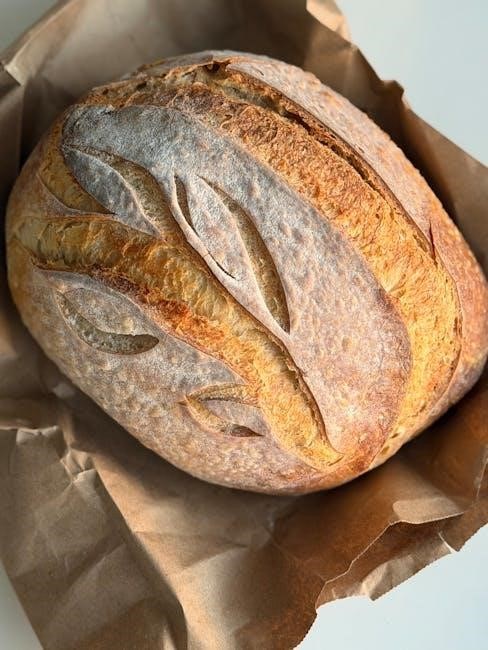
The undeniable charm of freshly baked goods forms a crucial, albeit subtle, layer in the narrative of Riverbraid City․ For Mona, the pure joy of her craft is encapsulated in the simple act of watching someone savor her creations․ “The very best thing about being a baker is watching somebody bite into a blueberry muffin or a fresh slice of sourdough dripping with butter,” a sentiment that perfectly captures the heart of her daily life in Aunt Tabitha’s bakery․ This inherent appeal transcends mere sustenance; it speaks profoundly to comfort, warmth, and a fleeting moment of peace amidst growing turmoil․ The comforting aroma of rising bread, the golden crust of a pie, or the sweet allure of a muffin offers a sensory experience that deeply grounds the city’s inhabitants․ Even as shadows loom and the Duchess faces peril, the enduring pleasure derived from a warm pastry provides a stark contrast to the unfolding crisis․ It highlights how something so universally cherished and seemingly innocuous can become central to a city’s survival․ These delectable items, born from Mona’s skilled hands, represent not just essential nourishment but also a persistent thread of normalcy and hope․ Their deliciousness is their initial draw, making them easily accepted and loved by all, a quality Mona leverages in her unique approach to defense․ The inherent goodness and widespread appreciation of these treats make their protective magic all the more surprising and effective․